2005 Toyota Avalon Speaker Sizes and Audio System Guide
2005 Toyota Avalon Speaker Sizes and Audio System Guide
Save this audio guide to your Ownery garage
This page covers the factory speaker locations, common speaker sizes, and upgrade notes for the 2005 Toyota Avalon. Equipment can vary by trim, body style, and audio package, so some models include additional speakers or different audio hardware. Factory amplifier details should be verified by trim and audio package, and selected audio systems may also include tweeters, a center channel, or a subwoofer if equipped.
Data verified by Nick Marchenko, PhD
Speaker Size Chart – 2005 Toyota Avalon
Use this table as the main reference. Fitment depends on trim, factory audio package, mounting depth, and adapter availability.
| Location | Type | Factory Size | Note |
|---|---|---|---|
| Front Pillar | Tweeter | 1 inch | if equipped |
| Rear Deck Corner | Full-Range | 6.5 inch | |
| Front Door | Full-Range | 6 x 9 inch | |
| Rear Door | Tweeter | 1 inch | if equipped |
| Rear Door | Full-Range | 6.5 inch | |
| Center Dash | Center Channel | 3.5 inch | if equipped |
| Rear Deck Center | Subwoofer | 8 inch | if equipped |
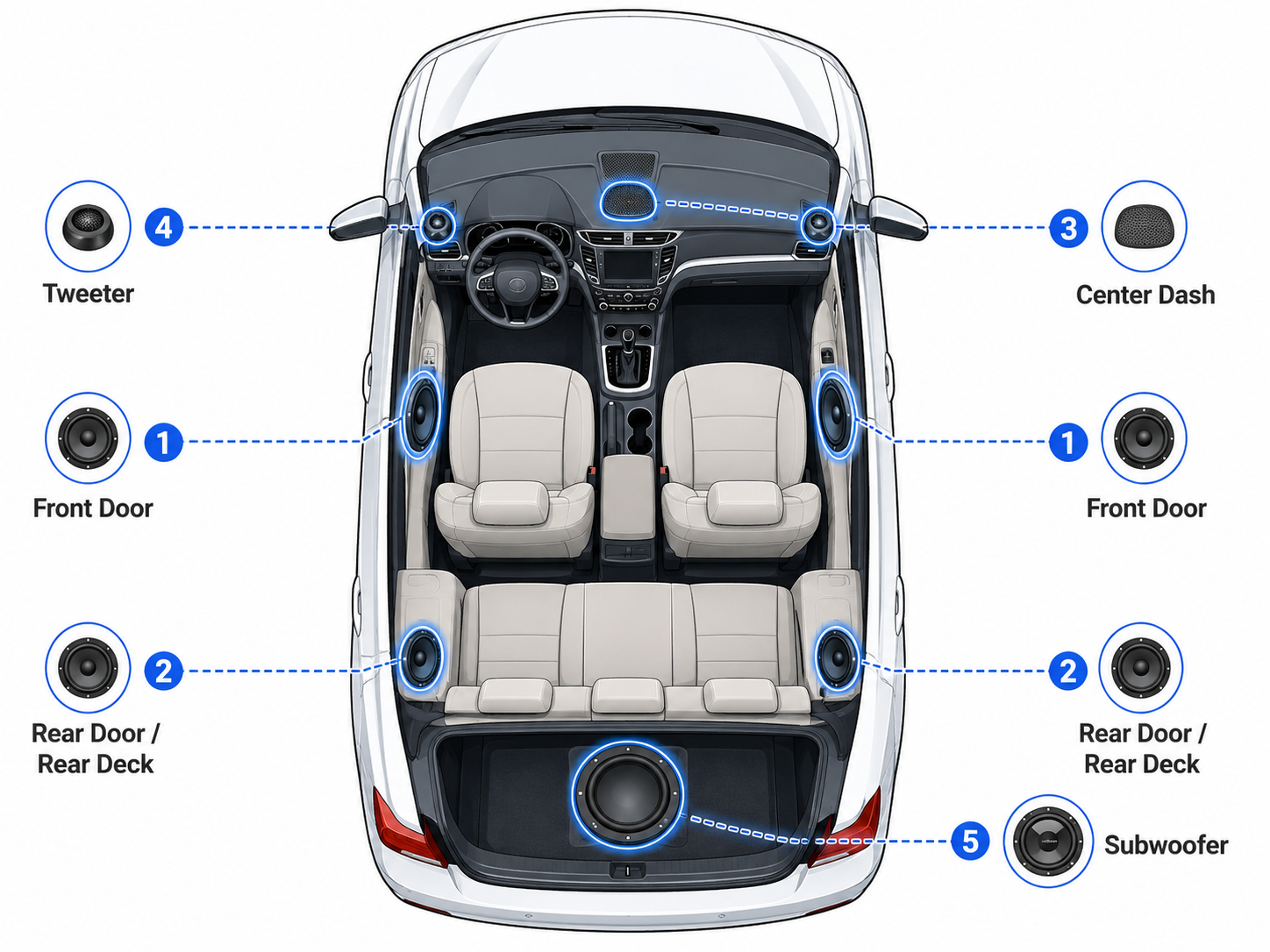
Generic speaker location diagram. The table above shows the specific factory sizes for this vehicle. Exact location details may vary by body style and trim.
Recommended Speakers for the 2005 Toyota Avalon
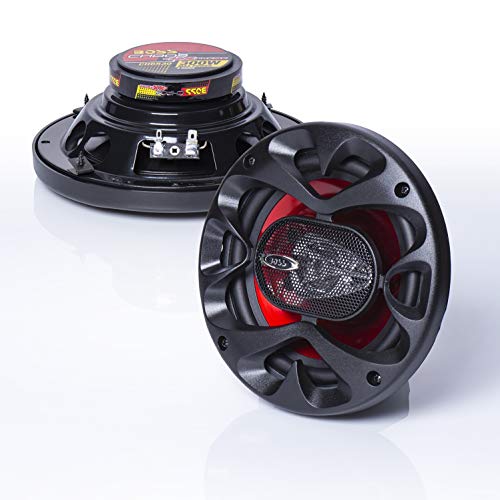
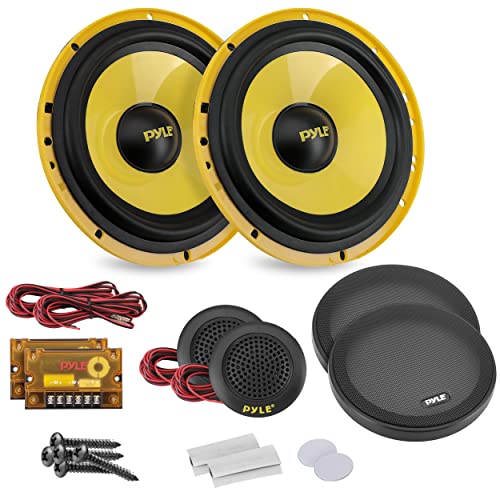
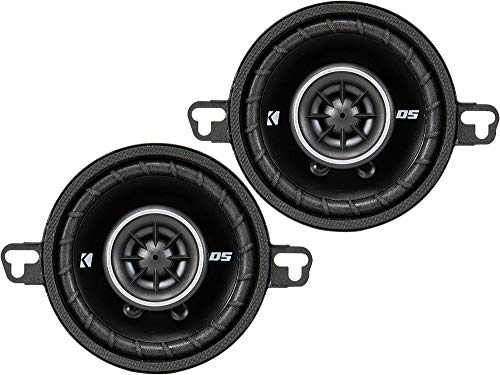
Selected aftermarket speakers that match the factory sizes for this vehicle. Always verify mounting depth, connector type, and audio package before ordering.
6.5" Speakers

3.5" Speakers
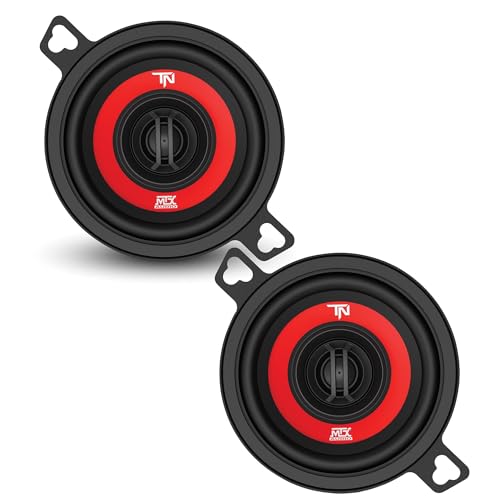
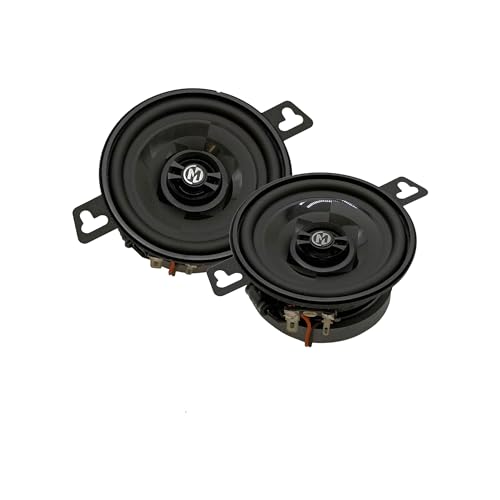
8" Speakers

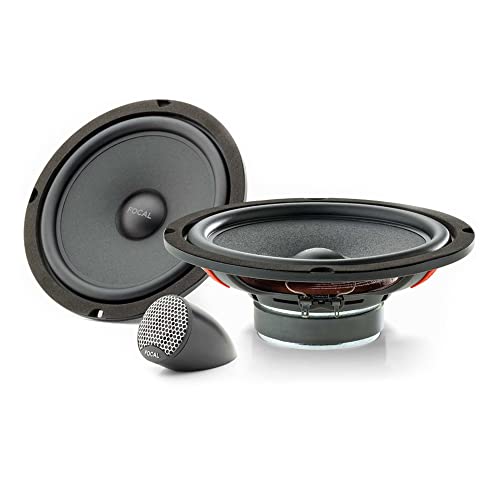
Disclosure: Product links are affiliate links. We may earn a commission at no extra cost to you.
Speaker Count by Trim – 2005 Toyota Avalon
Speaker count and audio equipment vary by trim and factory audio package. This table lists known configurations from our database.
| Trim | Speakers | Amplifier | Radio | Navigation |
|---|---|---|---|---|
| Limited 4dr Sedan | 12 | std | – | – |
| Touring 4dr Sedan | 9 | opt | – | – |
| XL 4dr Sedan | 9 | – | – | – |
| XLS 4dr Sedan | 9 | opt | – | – |
Data sourced from manufacturer specifications. Verify with the window sticker or dealer before ordering audio components.
Vehicle and Audio System Specifications
This block helps identify the vehicle and its audio system configuration for fitment decisions.
Luxury vs Sedan – Audio Differences
For this Avalon, body style can affect rear-seat packaging and factory audio options, but no body-style-specific speaker data is listed here. Speaker locations and counts should be checked by trim and audio package, since equipment can vary. Factory amplifier details should also be verified before planning upgrades.
What Speakers Fit the 2005 Toyota Avalon?
Aftermarket fitment should start with the factory speaker locations listed for this 2005 Toyota Avalon, but diameter alone is not enough. Check mounting depth, bracket fit, connector type, and whether the vehicle uses a premium or factory-amplified audio system. Speaker layouts can vary by trim, and the listed speaker count ranges from 9 to 12. An 8-inch rear deck center subwoofer may be included if equipped, so verify the exact audio package before ordering.
Usually Safe Upgrades
- If your vehicle uses the front door 6 x 9 inch location, many aftermarket speakers in that size class are the first place to start.
- If your vehicle uses the rear door 6.5 inch location, a matching full-range replacement is a common upgrade path.
- If your vehicle uses the rear deck corner 6.5 inch location, that size can be replaced with a compatible full-range speaker.
- If your vehicle uses the 1 inch front pillar tweeter location, replacement tweeters may fit if equipped.
- If your vehicle uses the 3.5 inch center dash location, a compatible center-channel speaker may be used if equipped.
Check Before Buying
- Confirm the exact trim and audio package, since speaker count and amplifier equipment can vary.
- Measure mounting depth and check for any factory bracket or adapter requirements before buying.
- Verify connector style and wiring before choosing replacement speakers.
- If your vehicle has the 8 inch rear deck center subwoofer, confirm whether it is part of the installed system and match the replacement accordingly.
- For tweeter, center-channel, and subwoofer locations, verify that the component is actually present on your vehicle before ordering.
Installation Notes
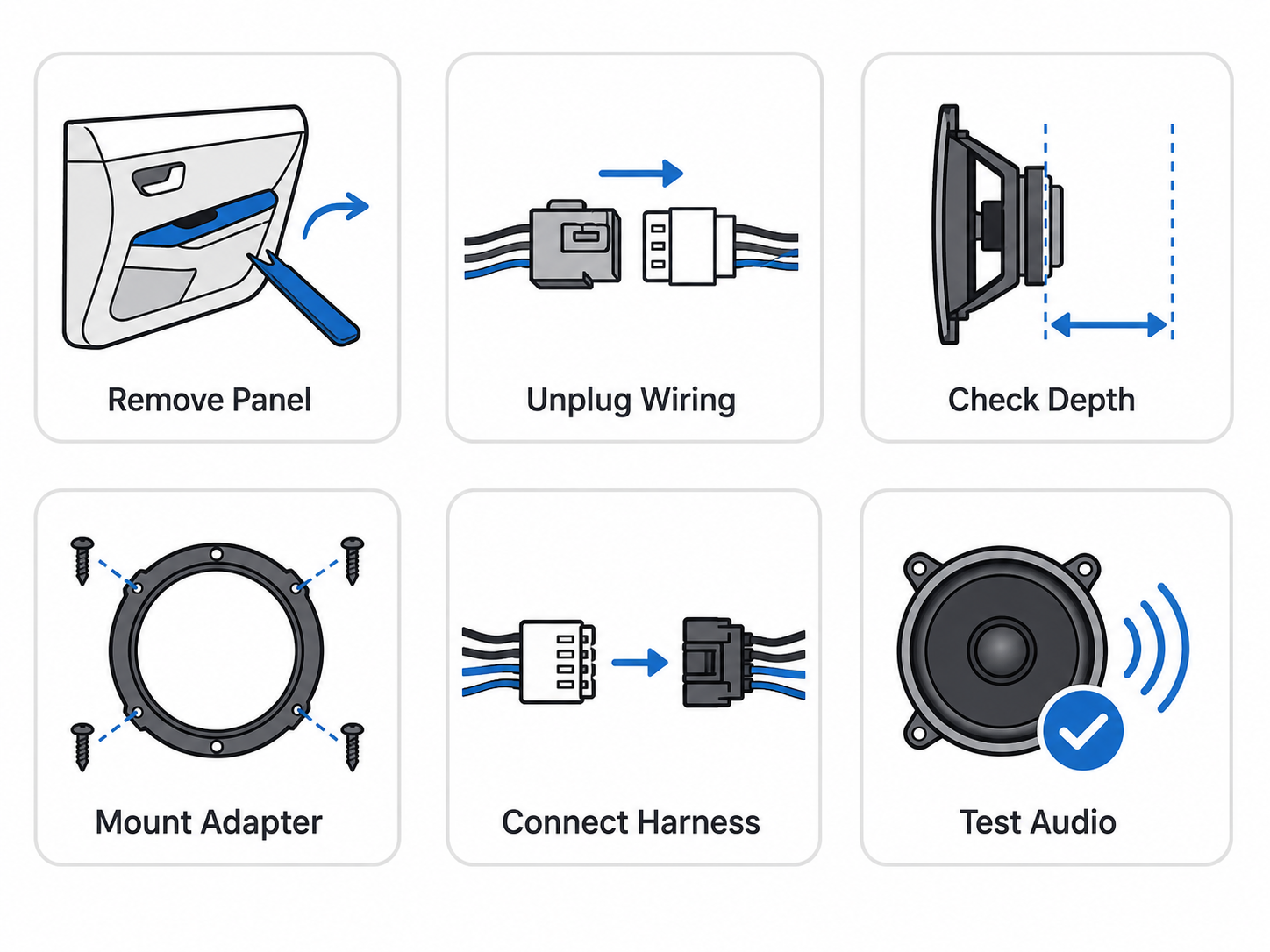
The 2005 Toyota Avalon uses a mix of speaker locations, so installation should start with confirming the exact audio package in the vehicle. Panel removal is needed at the front doors, rear doors, and any dash or rear deck locations before you can access the speakers. Take care with wiring during removal, especially around any factory amplifier or optional audio components, since equipment can vary by trim and audio package. Speaker depth should be checked before ordering replacements, and mounting adapters may be needed for the 6 x 9 inch front door openings and the 6.5 inch rear locations. Harness adapters can help keep the factory wiring intact and make the install cleaner. If your vehicle has the factory subwoofer, plan for additional fitment checks at the rear deck center location. After installation, test every speaker position individually to confirm balance, polarity, and overall system operation before reassembling the panels.
Moderate difficulty, since trim-dependent audio equipment and multiple speaker locations can make fitment and wiring more involved.
Common Mistakes When Replacing Speakers
The 2005 Toyota Avalon can vary by trim and audio package, so the biggest mistakes usually happen when buyers assume every car has the same speaker layout or factory audio setup.
- Buying based only on the body-style label instead of checking actual speaker locations on the vehicle.
- Skipping trim and audio package verification, even though speaker count and factory amplifier details can change from 9 to 12 speakers depending on the setup.
- Assuming every opening uses the same size or depth, which can lead to fitment problems at the front door, rear door, rear deck, or center dash locations.
- Ignoring connector style and wiring differences, especially when the factory amplifier is present on some trims and optional on others.
- Replacing tweeters, the center channel, or the rear deck subwoofer without confirming whether those parts are actually equipped on the vehicle.
- Reassembling the panels before testing each speaker and channel, which can hide wiring or polarity issues until everything is already back together.
Generation & Model Family
The 2005 Toyota Avalon belongs to the Third generation (XX30) (2005–2007) family. Nearby model years often share similar speaker locations and audio layouts, but exact fitment can vary by trim and audio package – verify before ordering.
Recommended Upgrade Path
The 2005 Toyota Avalon uses a speaker layout that can vary by trim and audio package, so the best upgrade path depends on what is already in the car. A smart plan starts with the front stage, then moves to bass, volume, or a clean factory-style refresh based on your budget and goals.
| Goal | Best Upgrade Path | Why |
|---|---|---|
| Better clarity | Upgrade the front door speakers first, then add front tweeters if equipped to improve detail and stereo imaging. If the car has a center channel, consider how it blends with the front stage before changing it. | Cleaner highs and stronger midrange usually come from the front of the cabin, so front-stage upgrades give the biggest clarity gain. |
| More bass | If the factory subwoofer is equipped, check how it is integrated before changing anything, then add an aftermarket subwoofer system for stronger low-end output. If the car does not have the factory subwoofer, adding a subwoofer is the most effective way to extend bass response. | A dedicated subwoofer adds low-frequency output that the main speakers cannot fully cover, and factory bass systems should be verified before upgrading. |
| Louder sound | Properly matched speakers and amplifier integration can improve volume and reduce distortion. Verify factory amp and premium system integration before adding aftermarket amplifiers, then build around the front speakers and main full-range locations. | Higher output works best when the speakers and amplifier are matched correctly, especially in vehicles where factory audio equipment can vary. |
| Budget improvement | Replace the front door speakers first with same-size replacement speakers and the correct mounting brackets. This gives the most noticeable improvement for the money because the front speakers handle most of the listening experience. | A front-speaker swap is usually the most cost-effective way to improve everyday sound without changing the whole system. |
| Factory look | Use same-size replacement speakers with the correct mounting brackets and harness adapters for a clean install that preserves the factory wiring and appearance. | This approach keeps the interior looking original while still improving worn or weak factory speakers. |
Mounting Adapters and Wiring
The same nominal diameter does not guarantee a direct mount. Before ordering, confirm:
- Speaker depth: Aftermarket speakers often have larger magnets – measure available depth at each location.
- Mounting brackets: Door locations typically need a bracket or spacer to clear the window regulator and achieve correct mounting depth.
- Wiring harness adapters: Use a plug-and-play harness adapter to preserve factory wiring.
- Tweeter mounting cups: Replacing OEM tweeters may require surface-mount cups or brackets depending on the location.
- Factory or premium amplified systems: If the vehicle has a premium or factory-amplified audio system, confirm how the factory radio, amplifier, and speakers are connected before adding aftermarket amplifiers. Depending on the setup, a line output converter, DSP, integration harness, or professional installation may be needed.
- Connector type: Factory connectors vary by trim and model year – confirm compatibility before splicing or using an adapter.
Frequently Asked Questions
What size are the front door speakers in a 2005 Toyota Avalon?
The front door speakers are 6 x 9 inches. This size is listed for the model year data provided.
What size are the rear speakers in a 2005 Toyota Avalon?
The rear door uses 6.5-inch full-range speakers, and the rear deck corner also uses 6.5-inch full-range speakers. Tweeters in the rear door are listed if equipped.
Does the 2005 Toyota Avalon have a factory subwoofer?
A factory 8-inch subwoofer is listed in the rear deck center if equipped. Availability can vary by trim and audio package.
Do I need mounting adapters to replace the speakers?
Mounting adapters may be needed depending on the speaker location and the replacement speaker design. Check the factory size and mounting depth before choosing new speakers.
Can I replace the speakers without replacing the radio?
Yes, speaker replacement can be done without replacing the radio. The factory radio can stay in place as long as the new speakers match the vehicle’s audio setup.
Does the 2005 Toyota Avalon have a factory amplifier?
Factory amplifier details should be verified by trim and audio package. The trim data shows amplifier availability can vary, so check the specific vehicle configuration.